
How Independent Coaches Can Get More Clients Without Running Ads
Coaches get clients without paid advertising through referrals, direct one-to-one outreach, local partnerships, and being easy to book once someone is interested. The constraint is rarely audience size. It is the gap between a warm conversation and a confirmed, paid session. Close that gap first.
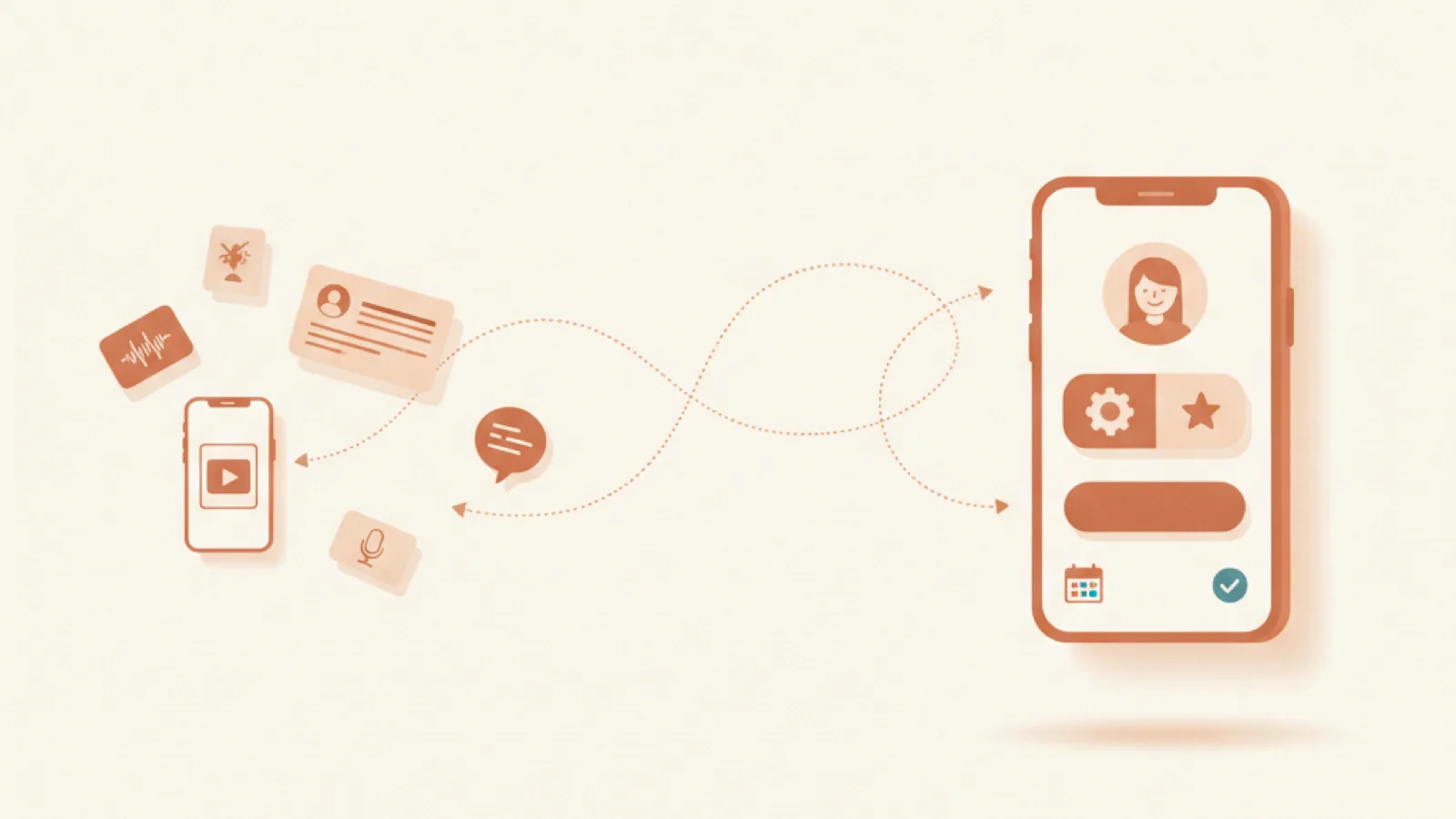
You spend hours creating helpful content. Your Instagram Reels get shared. Your LinkedIn posts spark conversations. Someone even recommended you in a WhatsApp group.
Then a potential client decides to learn more. They tap the link in your bio, hoping to understand what you offer, how much you charge, and how they can work with you. Instead, they're greeted by a confusing collection of links, an outdated website, or a message asking them to "DM for details." Within seconds, they're gone.
Getting noticed isn't the hardest part - turning interested visitors into paying clients is.
Every extra click, missing detail, or complicated process can cost you valuable enquiries and bookings.
Whether you're a nutritionist, fitness coach, career mentor, business consultant, or life coach, this guide will show you a practical four-step framework to attract more coaching clients organically and how Setav can help create a seamless journey from profile visit to confirmed booking.
Why Most Coaches Don't Actually Have a Traffic Problem
Many coaches assume they need more followers. Others believe paid advertising is the only way to grow. In reality, most independent coaches already receive enough attention to generate consistent enquiries. Every Reel, carousel, LinkedIn article, webinar, referral, or WhatsApp recommendation brings new people into your world.
The problem begins after that first interaction.
Imagine this journey:
Someone discovers your content
They find value and become interested.
They visit your profile
They're ready to learn more.
They click your bio
They expect a clear next step.
They encounter confusion
Multiple links, missing information, or unclear pricing create hesitation.
They leave
A potential client disappears without making contact.
Every extra decision increases the chance of losing a potential client, which is why successful coaches work on the traffic they already receive rather than on getting more of it.
The Hidden Cost of a Fragmented Online Presence
Many independent coaches unintentionally create a complicated buying journey, because their information is spread across different platforms.

For example:
None of these tools are bad individually.
The problem is asking potential clients to navigate all of them.
Every platform change forces people to think again.
Questions start appearing:
Is this the right booking link?
Where are the coaching packages?
How much does this cost?
Do I have to message first?
Can I pay online?
When answers aren't immediately obvious, many prospects simply postpone the decision - or move on to another coach who makes the process easier.
People don't always choose the most qualified coach.
Very often, they choose the coach who makes taking the next step feel effortless.
Why "DM Me to Book" Is Costing You Clients
Asking prospects to send a direct message may seem personal, but it often creates unnecessary friction.
Think about your own online behaviour.
When you're ready to purchase something, do you want to negotiate through multiple messages?
Probably not.
Most buyers appreciate clarity.
When someone has already decided they want your help, they don't want another hurdle.
Instead, they want answers to simple questions:
What programmes do you offer?
How much does each one cost?
When are you available?
How do I pay?
What happens next?
If these answers require several conversations, many high-intent prospects quietly disappear.
Meanwhile, you spend valuable hours replying to repetitive questions, sending payment details, following up on unpaid invoices, and managing appointment confirmations manually.
That's time you could spend coaching clients or creating valuable content.
Turn Your Bio Link into a Client-Ready Digital Storefront
Your bio link shouldn't be a list of destinations.
It should be the destination.
Instead of sending people across multiple websites, create one professional space where visitors can discover everything they need before making a decision.
A high-converting coaching storefront should include:
Your coaching services
Clear pricing
Testimonials
About section
Booking calendar
Payment options
Frequently asked questions
Contact details
Social profiles
Resources or lead magnets
Rather than jumping between five different tools, visitors enjoy one seamless experience.
This is where Setav changes the coaching journey.
Instead of offering another simple link page, Setav helps you build a complete digital storefront where people can explore your services, understand your expertise, book appointments, and move towards becoming clients, all from a single professional profile.
The result isn't just a cleaner online presence.
It's a smoother path from curiosity to conversion.
Capture Attention with Featured Offers
Organic traffic doesn't arrive at a constant pace.
One Reel might attract a few hundred views.
Another could suddenly reach thousands.
When these moments happen, you have a limited window to convert attention into enquiries.
That's why your most important offer should always be impossible to miss.
Rather than updating your entire website every time you launch something new, feature a time-sensitive offer at the top of your digital storefront.
Examples include:
These offers immediately communicate what's happening now.
They also introduce a sense of urgency without relying on aggressive marketing tactics.
Visitors naturally look at the top section of a page first.
When your highest-priority offer appears there, more people discover it before they start browsing your other services.
What Makes Featured Offers Convert Better?
Featured offers work because they reduce decision fatigue.
Instead of asking visitors to compare ten different services, you guide them towards the action that matters most today.
Consider this comparison.
Generic Profile
Conversion-Focused Storefront
✗ Multiple equal links
✓ One highlighted priority offer
✗ Static information
✓ Dynamic campaigns
✗ Visitors choose everything
✓ You guide the journey
✗ Higher drop-offs
✓ Faster decisions
Small improvements in clarity often produce meaningful increases in enquiries because people spend less time wondering what to do next.
Make Booking and Payment Feel Effortless
Imagine a client who has already decided to book your coaching programme.
Now imagine asking them to:
✗ Send a message.
✗ Wait for your reply.
✗ Receive payment instructions.
✗ Complete a separate form.
✗ Share a payment screenshot.
✗ Wait for confirmation.
Every extra step creates another opportunity for them to delay the decision.
A smoother experience looks very different.
Instead, the client can:
Select an available coaching slot.
Complete a short intake form.
Pay securely online.
Receive instant confirmation.
That's the experience modern buyers increasingly expect.
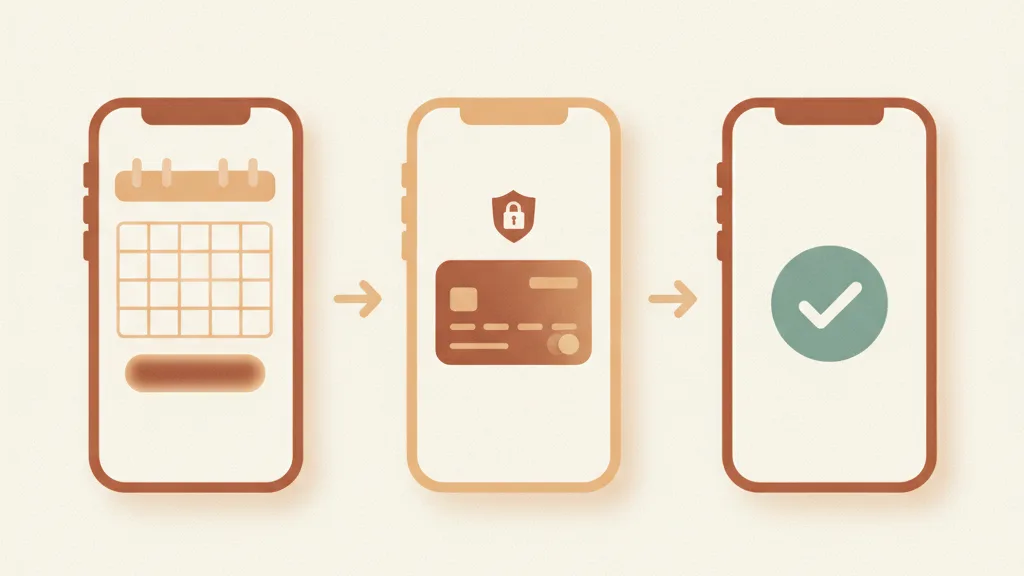
By combining appointment scheduling, forms, and payments into one connected workflow, coaches spend less time managing administration and more time delivering results for clients.
Even better, upfront payments help reduce cancellations, minimise no-shows, and ensure your calendar is filled with committed clients rather than tentative enquiries.
Use Analytics to Understand What Actually Brings You Clients
Creating content consistently is important.
But creating more of the right content is what helps your coaching business grow.
Many coaches judge success by vanity metrics like views, likes, or comments. While these numbers can indicate reach, they don't necessarily tell you whether your content is generating enquiries or bookings.
What really matters is understanding what happens after someone visits your profile.
Ask yourself:
Which coaching service gets the most interest?
Which workshop attracts the highest number of bookings?
Which content drives visitors to your pricing page?
Which offer encourages people to take action?
These insights help you stop guessing and start making informed marketing decisions.
With Setav's real-time analytics, you can see how visitors interact with your digital storefront, identify your most popular services, and understand what content leads people closer to becoming clients.
For example, imagine your latest Instagram Reel on weight loss attracts hundreds of new visitors.
Instead of simply celebrating the views, you check your storefront analytics and notice that your 12-Week Nutrition Transformation Programme received four times more page visits than usual.
That's valuable insight.
It tells you your audience is interested in nutrition-focused content.
Your next step becomes obvious:
Create more nutrition-related Reels.
Feature your nutrition programme more prominently.
Update your featured banner with a limited-time nutrition consultation.
Publish supporting educational content around healthy eating.
Every piece of content becomes part of a continuous learning cycle rather than a one-time marketing effort.
Where Do Coaching Clients in India Actually Come From?
Most advice written for coaches is written for a different market. Podcast guesting, newsletter swaps and cold email sequences are real channels, in countries where the audience is on those surfaces. They are a poor description of how an Indian coaching practice actually fills its calendar.
In India the first ten clients almost always arrive through a small number of warm, unglamorous routes. Somebody's cousin. A WhatsApp group where you answered a question properly. A gym, a clinic or a school that already has the people you want and no interest in coaching them. None of these requires an audience, and none of them requires an ad budget.
What they do require is that the conversation has somewhere to go. A recommendation dies if the person receiving it has to ask three questions before they can book.
| Channel | Effort | Time to first client | Works best for |
|---|---|---|---|
| Referrals from past clients | Low, once you actually ask | Days, if you have anyone to ask | Coaches with even a handful of finished engagements. The highest-converting channel there is, and the most neglected, because asking feels like begging until you have a form of words. |
| WhatsApp groups and communities you are already in | Low, but slow-burning | Weeks | Anyone who can be genuinely useful in public. Answer the question that was asked, without pitching. The enquiries arrive privately, afterwards. |
| One-to-one outreach to people you already know | Medium. It is uncomfortable, not difficult | Days to weeks | The first ten clients specifically. A list of forty former colleagues and acquaintances beats a cold audience of four thousand. |
| Local partnerships with gyms, clinics, salons and schools | Medium to high up front, then low | Weeks to months | Coaches with a defined niche and a physical city. One partnership that sends two clients a month outperforms a year of posting. |
| Being findable when someone searches your name | Low to set up, then almost none | Ongoing, and it compounds | Everybody, because every other channel ends here. A referred client searches your name before they book, and what they find decides it. |
Read the last row as the one the others depend on. Every channel above it ends with somebody looking you up, and at that moment your bio link page is doing the selling whether or not you designed it to. Reviews sitting where the booking happens rather than on a separate platform matter for the same reason: the referred client wants confirmation from a stranger, and you want it on the page they are already on. Ours are collected on the testimonials page.
There is a second thing worth doing with a referral, and it is where a lot of coaches lose the client. The conversation is warm, the person says yes, and then the arrangement drifts for a fortnight because the next step was a message rather than a booking. Taking the payment at the moment they say yes fixes that, and it is a smaller ask than it feels: we wrote the scripts and the policy in how to take advance payment from clients.
Common Mistakes That Stop Coaches from Growing Organically
Even experienced coaches unknowingly make small mistakes that reduce conversions. Here are the most common.
Sending Visitors to Multiple Platforms
If your services, booking page, testimonials and payments are all hosted separately, visitors have to work harder to become clients. The easier the journey, the higher your conversion.
Hiding Your Pricing
Many coaches worry that displaying prices will discourage enquiries. In reality, transparent pricing attracts more qualified prospects, because people know what to expect, and it filters out the wrong fit before they reach your inbox.
Depending Entirely on Direct Messages
Direct messages are great for conversations. They shouldn't be your booking system. When clients can view services, complete forms, choose a time slot and pay online, everyone gets a smoother experience.
Ignoring Mobile Experience
Most visitors discover coaches through mobile devices.
If your booking process feels slow, cluttered, or difficult on a smartphone, you're likely losing potential clients before they even reach your calendar.
Creating Content Without Measuring Results
Publishing regularly is only half the job. The other half is knowing which topics generate enquiries, so you can create more of what your audience actually wants.
How Setav Helps Independent Coaches Grow Organically
Growing a coaching business shouldn't require stitching together multiple tools. Instead of managing disconnected platforms, you can:
Create a professional bio link page that showcases everything you offer.
Build a custom website that reflects your coaching brand.
Let clients book sessions directly through an integrated booking calendar.
Collect secure online payments without leaving your storefront.
Use forms to gather client information before every session.
Track visitor behaviour with real-time analytics.
Organise resources, communities, or programmes through shared spaces.
Whether you're a fitness trainer, nutritionist, business coach, career mentor, consultant, or freelancer, that storefront becomes the central hub for your coaching business, and gives prospective clients one continuous path from first click to confirmed booking.
Your Organic Growth Checklist
Use this checklist to improve your coaching business without increasing your advertising budget.
Optimise your social media profiles.
Replace multiple links with one professional storefront.
Clearly explain your coaching services.
Display transparent pricing where appropriate.
Highlight your most important offer.
Add testimonials that build credibility.
Enable online booking.
Accept secure digital payments.
Review analytics regularly.
Create more content around your highest-performing services.
Where Do You Go From Here?
Every visitor who discovers your content is a potential client, but only if they can quickly understand what you offer and take the next step with confidence. Rather than buying more traffic, make the most of the audience and the referrals you already have: simplify the journey, remove the friction, and make it easy for people to discover, trust, and book you.
If you're looking for a smarter way to bring everything together - from your coaching programmes and booking calendar to payments, forms, content, and professional profile - Setav helps you create one seamless digital storefront designed around your business goals. Rather than juggling multiple platforms, you can offer clients a simple, professional experience from their first click to their confirmed booking.
Your audience is already discovering you. Make it effortless for them to discover everything else.
Ready for a fully custom coaching website on your own domain, built by the Setav team? See real Go Pro websites and apply.
See Go Pro Websites & Pricing →Frequently Asked Questions
Yes. Many independent coaches grow successfully through organic channels such as Instagram, LinkedIn, YouTube, referrals, email newsletters, and WhatsApp communities. The key is having a clear conversion path that turns interested visitors into paying clients.
The problem is often the client journey rather than the content itself. Confusing links, unclear pricing, complicated booking processes, or multiple platforms can create friction that discourages potential clients.
An effective coaching storefront should include your services, pricing, testimonials, booking calendar, payment options, client forms, contact details, and links to your content and social profiles.
In many cases, yes. Transparent pricing helps build trust, attracts qualified enquiries, and reduces time spent answering repetitive questions.
Allowing clients to choose a time slot, complete an intake form, and pay immediately creates a smoother experience, reduces no-shows, and saves valuable administrative time.
There is no dependable published figure, and anyone quoting one is guessing. What can be said is that the fastest route is almost never the widest one. Coaches who start by writing to thirty people who already know them tend to book a first client in days or weeks. Coaches who start by building an audience are working on a channel that pays out in months. Both are worth doing; the order is what decides how long you go unpaid.
Not a full website, but you do need one page that answers what you offer, what it costs, when you are free and how to pay. That page can be a storefront rather than a built site, and it can be set up from a phone. The reason it is not optional is that every other channel ends there: a referred client will look you up before they book, and whatever they find at that moment is doing the selling for you.
Ask at the point the client is most pleased with you, which is usually just after a result rather than at the end of an engagement, and ask for something specific. "Do you know anyone dealing with the thing you came to me with?" is answerable. "Let me know if you think of anyone" is not, and it puts the work of remembering on someone who will not do it. Then make acting on it a single step by giving them something to forward rather than something to explain.
Turn conversations into customers with Setav's smart all-in-one professional storefront platform.
All Rights Reserved © Setav 2026