
The Hidden Cost of "DM Me for Pricing" in 2026
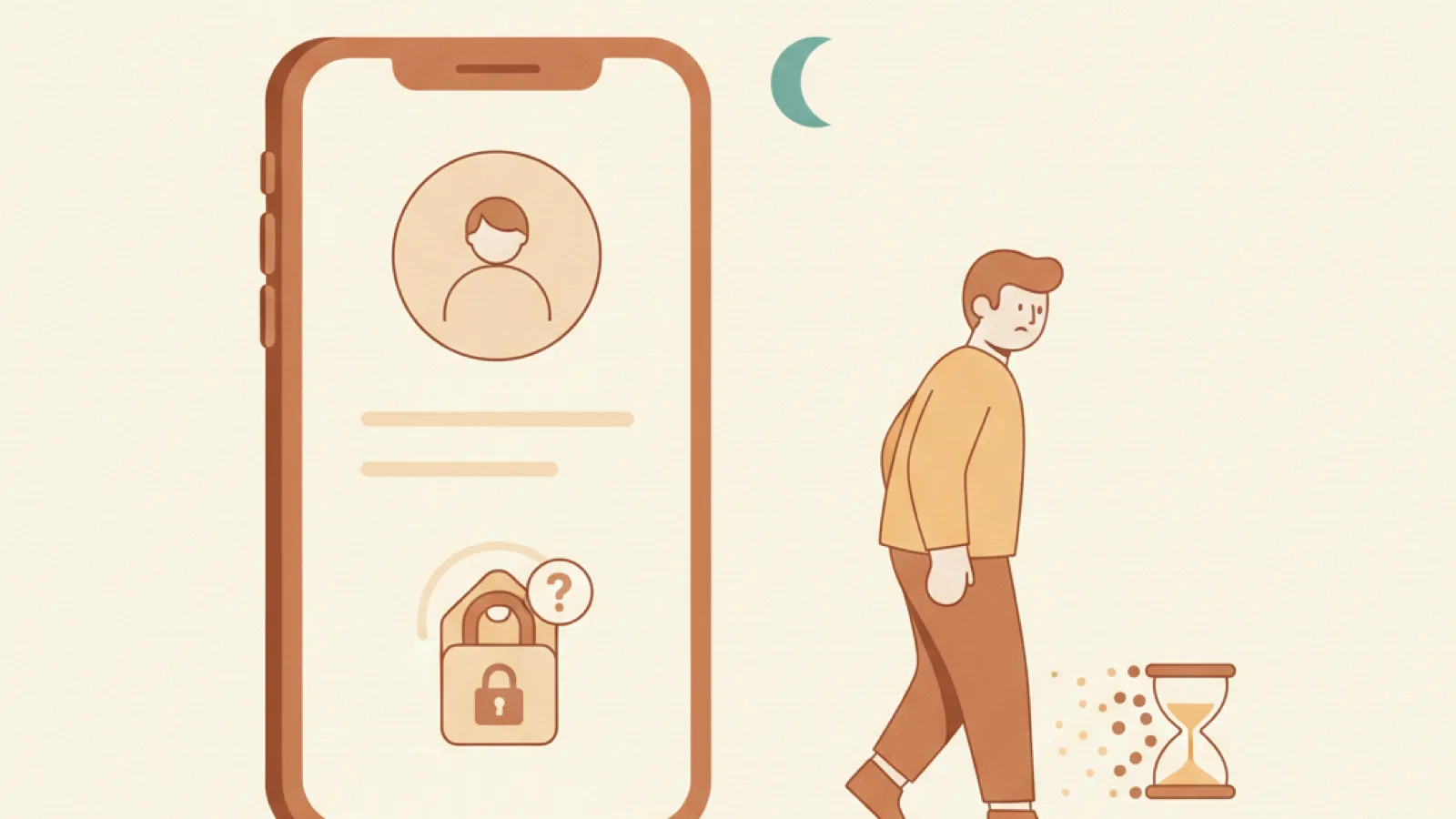
Someone discovers your content on Instagram.
They spend a few minutes watching your videos. They like what you share. They visit your profile because they're interested in working with you.
Then they see one sentence.
"DM me for pricing."
At first, it doesn't seem like a problem. After all, they've already shown interest. Sending one message shouldn't be difficult. But many people never do. Instead, they leave your profile and continue scrolling. Some find another professional who clearly explains their services.
Others decide they'll come back later.
Most never return.
Many independent professionals believe hiding their prices helps them start conversations and qualify leads.
A few years ago, that approach worked well.
Today, buyers expect something different.
People are used to booking appointments, ordering products, and paying for services online within minutes. When they have to stop and wait for someone to reply before learning basic information, their excitement begins to fade.
The problem isn't that people dislike speaking with businesses.
The problem is that they don't want unnecessary delays when they're already ready to make a decision.
In this guide, you'll learn why "DM me for pricing" creates hidden barriers, how it affects your client journey, and what you can do instead to make it easier for people to work with you.
Why "DM Me for Pricing" Became So Popular
There was a time when asking people to send a direct message was considered good marketing.
It encouraged conversations.
It helped creators build relationships.
It also increased comments and engagement on social media platforms.
Many businesses used calls to action like:
Send me a DM.
Comment "Guide" below.
Message me for details.
Ask me about pricing.
These strategies often worked because social media platforms rewarded engagement.
The more comments a post received, the more people saw it.
But while social media has evolved, many businesses still rely on the same approach.
The way people buy online has changed.
The way many professionals sell has not.
Today's Buyers Expect Faster Decisions
Think about your own online behaviour.
When you're looking for a service, what do you usually want to know first?
Most people ask questions like:
What does this include?
How much does it cost?
How do I book?
When are they available?
If those answers are difficult to find, many people simply move on.
This doesn't mean they aren't interested.
It means they value their time.
Modern buyers compare every experience with the easiest one they've had.
If one consultant lets them book online immediately while another asks them to start a conversation just to receive pricing, the simpler option often wins.
Convenience has become part of trust.
The easier you make the buying process, the more confident people feel about working with you.
Every Delay Reduces Buying Momentum
Buying decisions are often emotional.
Someone watches your content. They feel inspired. They trust your expertise. They decide they want to take the next step.
This is your moment.
But asking someone to send a message introduces a pause in that momentum.
Now they have to wait.
Maybe you're with another client. Maybe you're travelling. Maybe you've finished work for the day.
Hours pass before you reply. By then, the urgency has disappeared.
The client may have become busy.
They may have forgotten.
Or they may have already booked with someone else.
Your expertise didn't change. Your response time did.
The Real Cost Isn't the Message
Many professionals think, "It's only one message."
But that single message is rarely the end of the conversation.
In a typical exchange like this.
Client: "Hi, I'd like to know your pricing."
You: "Sure. Which service are you interested in?"
Client: "I'm not sure. What do you offer?"
You explain your packages. The client asks another question.
You send your availability. They ask whether online payment is available.
You share another link. Eventually, they stop replying.
Not because they lost interest.
Because the process became longer than expected.
Instead of making one decision, they had to make several.
Each additional step increases the chances of someone leaving before completing the booking.
Your Inbox Shouldn't Be Your Sales Process
Direct messages are valuable.
They help you answer questions. Build relationships. Support existing clients.
But they shouldn't become your primary booking system.
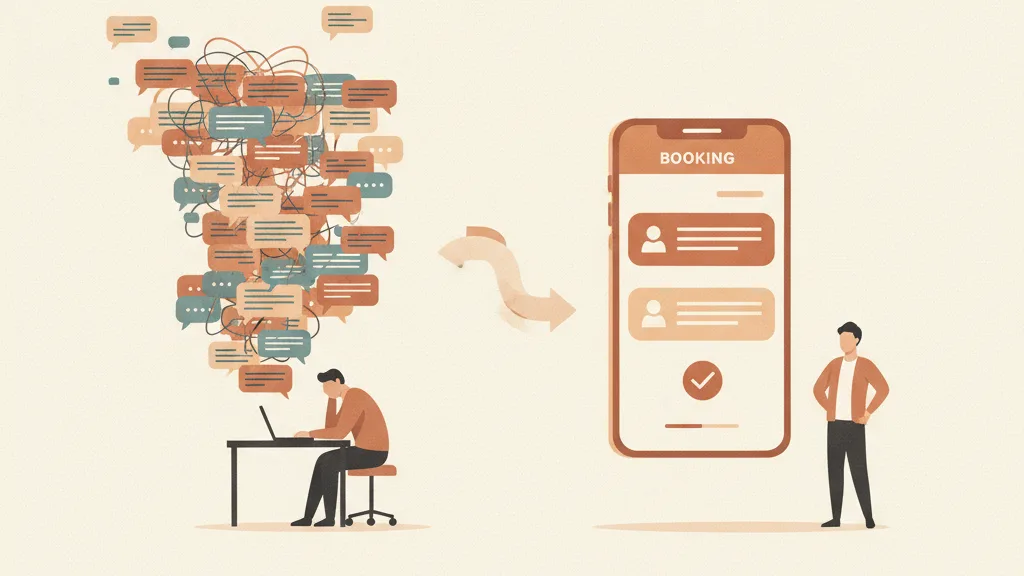
Managing every enquiry manually creates problems as your business grows.
You spend hours every week:
Answering the same pricing questions.
Explaining your services repeatedly.
Sharing booking links.
Sending payment details.
Following up with interested prospects.
The more enquiries you receive, the more time you spend repeating the same conversations.
Eventually, your inbox becomes another full-time job.
A better approach is to let interested buyers find the information they need before they contact you.
That way, the conversations you do have become more meaningful.
Make It Easy for People to Say Yes
Imagine someone visits your profile after watching one of your videos.
Instead of asking them to send a message, they click your bio link.
Within a few seconds they can:
Understand your services.
Compare your packages.
View transparent pricing.
Choose a suitable appointment.
Complete a short enquiry or intake form.
Pay securely online.
Everything happens in one place.
There is no waiting.
No repeated questions.
No searching through chat conversations.
This is where Setav creates a better experience.
Instead of asking potential clients to begin their journey inside your inbox, Setav gives you a professional digital storefront where visitors can explore your services, view pricing, book appointments, complete forms, and make secure payments through one simple workflow.
The result is a smoother experience for your clients and significantly less manual work for your business.
Why Transparency Builds More Trust
Some professionals worry that displaying their prices publicly will reduce enquiries.
In reality, transparent pricing often has the opposite effect.
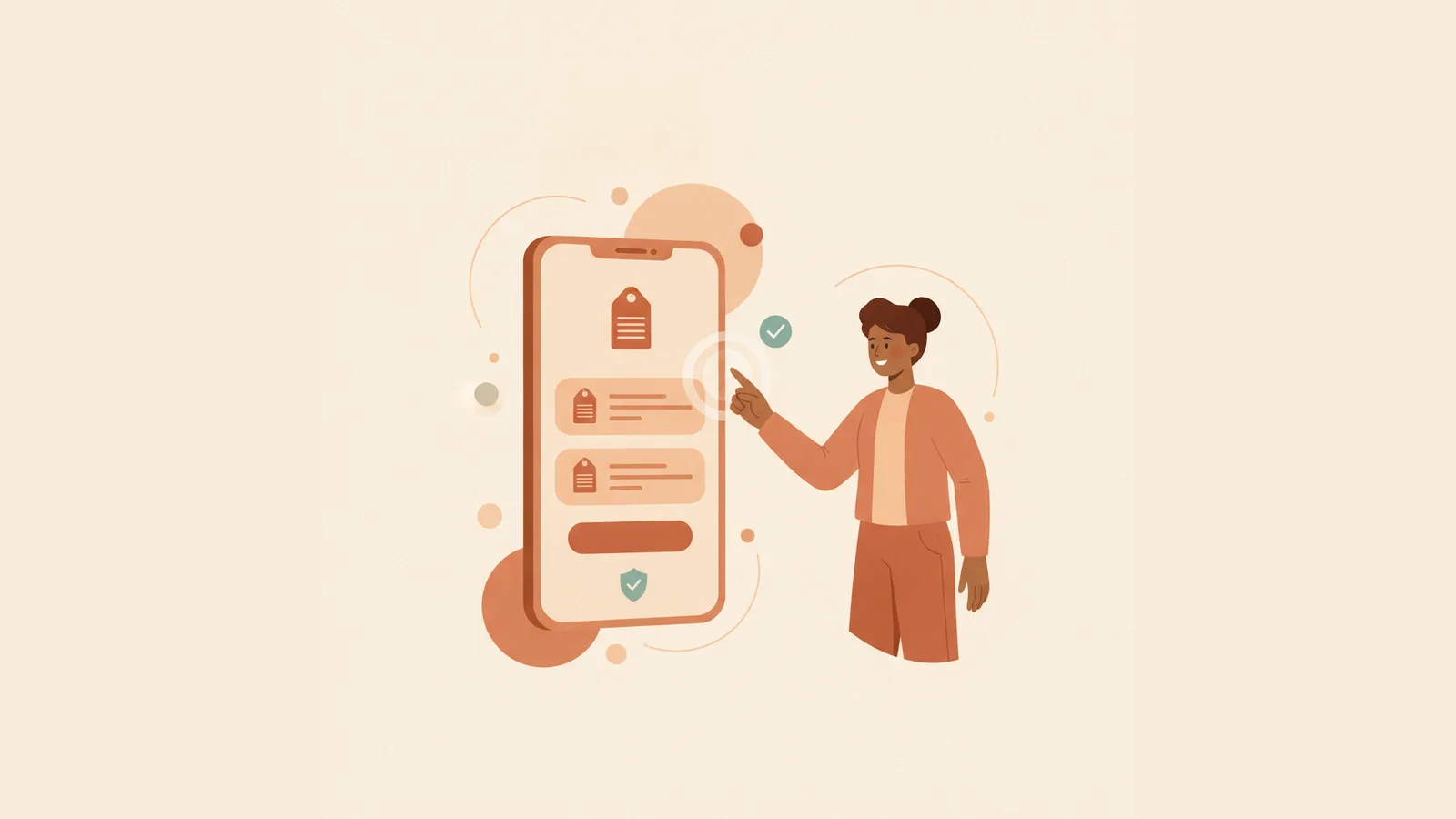
It helps people understand whether your services match their needs and budget before they contact you.
This creates better conversations because clients already know what to expect.
Transparency also builds confidence.
When visitors can clearly see your services, pricing, and booking process, they feel like they're dealing with a professional business rather than chasing information through messages.
That doesn't mean every business needs to display every price.
If your services are highly customised, you can still explain your process, provide starting prices, or clearly describe what clients receive before inviting them to book a consultation.
The goal is simple.
Help people make informed decisions without unnecessary guesswork.
Let Interested Clients Take Action Immediately
People are busy.
If someone is ready to work with you, every extra step creates another opportunity for distraction.
Imagine someone discovers your profile during their lunch break.
They have ten minutes available.
If they can learn about your services, choose an appointment, and complete payment immediately, they're far more likely to become a client.
If they need to:
Send a message.
Wait for a reply.
Continue the conversation later.
Request payment details.
Confirm a suitable time.
The chances of completing the booking become much lower.
Removing delays doesn't pressure people into buying.
It simply makes it easier for motivated clients to take action while their interest is highest.
Spend Less Time Answering the Same Questions
As your business grows, so do repetitive conversations.
You probably receive messages like these every day.
What are your consultation charges?
Which package should I choose?
Do you offer online sessions?
How do I book?
Can I pay using UPI?
What happens after I book?
Answering these questions occasionally isn't a problem.
Answering them dozens of times every week quickly becomes exhausting.
A well-organised booking page answers many of these questions automatically.
Visitors can explore your services, understand your process, and decide on the next step without waiting for a personal response.
That leaves you with more time for meaningful conversations instead of repetitive ones.
Create a Buying Experience Instead of a Chat Conversation
Your social media content creates interest.
Your booking experience should convert that interest into action.
Instead of relying on a conversation to explain everything, think about creating a simple buying journey.
For example:
Someone discovers your content.
They visit your profile.
They click your bio link.
They explore your services.
They choose the option that fits their needs.
They select a suitable appointment.
They complete payment.
They receive confirmation immediately.
Notice what is missing.
There are no unnecessary delays.
No waiting for replies.
No searching through chat history.
The process feels smooth because every step naturally leads to the next.
This is exactly how many successful service businesses now operate.
Common Mistakes to Avoid
Even experienced professionals unintentionally create barriers for potential clients.
Here are some of the most common ones.
Hiding Basic Information
Visitors should not have to message you just to learn your pricing, services, or booking process.
Make important information easy to find.
Depending on Manual Replies
Your business should not stop simply because you're busy with another client or taking time off.
A good system allows interested visitors to continue their journey even when you're unavailable.
Sharing Too Many Different Links
Sending one link for your website, another for bookings, another for payments, and another for forms creates unnecessary confusion.
Whenever possible, keep everything in one organised place.
Waiting Too Long to Simplify Your Process
Many professionals improve their systems only after they become overwhelmed.
Building a smoother client journey early makes future growth much easier.
A Simple Checklist to Improve Your Client Journey
Review your current sales process using these questions.
Can visitors understand what I offer within a few seconds?
Is my pricing clear or at least easy to understand?
Can someone book an appointment without sending me a message first?
Do I collect payments during the booking process?
Are my services explained clearly?
Is everything easy to use on a mobile phone?
Have I reduced unnecessary clicks?
Can clients find answers without waiting for me to reply?
Small improvements at each step can make a significant difference to your conversion rate.
Where Do You Go From Here?
Every day, people discover your content because they're looking for answers, guidance, or someone they can trust. By the time they visit your profile, many have already decided they want to learn more about your services.
The question is whether your buying process helps them move forward or asks them to wait.
Publishing the price is the first half of the problem. The second half is collecting it, and we covered that separately in how to actually ask for advance payment, with the scripts and a cancellation policy you can copy.
Take a fresh look at your current client journey. If someone wanted to work with you right now, could they understand your services, view your pricing, book an appointment, and complete a payment without sending a single message? The easier you make that journey, the more opportunities you create for your business.
If you're looking for a better way to present your services, bookings, forms, and payments in one place, Setav helps you create a professional digital storefront designed for modern service businesses. Instead of relying on endless chat conversations, you can give clients a faster and more organised way to start working with you.
When someone is ready to say yes, don't make them wait. Make it easy for them to take the next step.
Frequently Asked Questions
It can still generate conversations, but many modern buyers prefer to see pricing or service details immediately so they can make faster decisions.
Not necessarily. If your services are customised, you can display starting prices, package ranges, or explain your consultation process instead of hiding all pricing information.
Sometimes people become distracted, but often the buying process becomes too slow or requires too many steps. Making information easier to access helps reduce this drop-off.
Provide clear service descriptions, pricing information, FAQs, and an easy booking process so visitors can find answers without contacting you first.
It should include your services, pricing, booking calendar, payment options, testimonials, FAQs, and contact information in one organised place.
Turn conversations into customers with Setav's smart all-in-one professional storefront platform.
All Rights Reserved © Setav 2026